
Sponsored - Tongue Tie/Dental care
Tongue tie (ankyloglossia) in children is a condition present at birth where the tongue’s movement is restricted due to a short, thick, or tight band of tissue (the lingual frenulum). This can affect feeding, speech, and oral development, but treatment options like frenotomy or frenuloplasty are available when needed. http://www.tonguetiecenterwesttexas.com/
HEALTH & WELLNESS
www.adbucons.agency
3/17/20262 min read
• 👶 Early Dental Care:
First check-ups, cavity prevention, and parent guidance.
• 🎨 Kid-Friendly Environment:
Playful décor, engaging activities, and a warm team that helps children feel at ease.
• 🛡️ Preventive Treatments:
Fluoride, sealants, and education to build lifelong oral health habits.
• 🌟 Specialized Pediatric Expertise:
Our dentists are trained to handle the unique needs of growing smiles with patience and care.

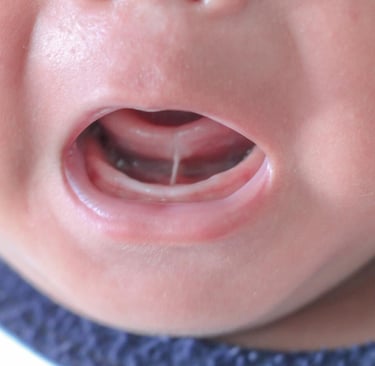
Tongue tie (ankyloglossia) in children is a condition present at birth where the tongue’s movement is restricted due to a short, thick, or tight band of tissue (the lingual frenulum). This can affect feeding, speech, and oral development, but treatment options like frenotomy or frenuloplasty are available when needed.
http://www.tonguetiecenterwesttexas.com/
🧒 What Is Tongue Tie?
Definition: Tongue tie occurs when the lingual frenulum (the tissue connecting the tongue to the floor of the mouth) is unusually short or tight.
Prevalence: It is a congenital condition, meaning children are born with it.
Impact: Restricts tongue movement, which can interfere with normal oral functions.
🚼 Symptoms in Infants
Difficulty latching during breastfeeding
Poor weight gain due to feeding challenges
Clicking sounds while nursing
Irritability or frustration during feeding
Maternal nipple pain due to improper latch
🗣️ Symptoms in Older Children
Speech difficulties (trouble pronouncing sounds like “t,” “d,” “l,” “r”)
Limited tongue mobility (difficulty sticking out tongue or moving it side to side)
Oral hygiene issues (trouble clearing food from teeth)
Social or functional challenges (difficulty licking lips, playing wind instruments)
⚕️ Diagnosis
Physical exam: Pediatricians, dentists, or lactation consultants check tongue mobility and frenulum tightness.
Functional assessment: Evaluates feeding, speech, and oral movement.
🛠️ Treatment Options
Observation: Mild cases may not require intervention.
Lactation support: Adjusting breastfeeding positions can sometimes help.
Frenotomy: A quick, minor surgical cut to release the frenulum.
Frenuloplasty: A more extensive surgical repair if the frenulum is thick or complex.
✅ When to Seek Help
If your child struggles with breastfeeding or bottle feeding.
If speech development seems delayed or unclear.
If oral hygiene or tongue mobility is noticeably limited.
⚠️ Risks & Considerations
Not all tongue ties require surgery; some children adapt well.
Overdiagnosis is possible—professional evaluation is essential.
Procedures are generally safe but may involve mild discomfort or bleeding.
📌 Key Takeaway
Tongue tie in children can range from mild to severe. Early evaluation by a pediatrician, dentist, or speech therapist is crucial to determine whether intervention is necessary. With proper treatment, most children experience significant improvement in feeding, speech, and oral function.
Connect
Reach out anytime, we love hearing from you.
Call
ncsreedhar@whatzonn.com
+91-9949022585
© 2025. All rights reserved.
Related Key Words
#whatzonn #WhatZonn #SocialMediaTips #DigitalMarketing #SEO #OnlineSuccess #ContentCreation #VideoMarketing #SocialMediaGrowth #BrandAwareness #MarketingStrategy #EngagementBoost #ViralVideo #AudienceReach #ContentStrategy #SocialMediaExperts #EntrepreneurTips #BoostYourBrand #OnlinePresence